
Accessible Travel in Bulgaria requires a little extra planning, especially for visitors with limited mobility, wheelchair users, senior travellers, or anyone who prefers shorter walking distances. Bulgaria offers historic cities, mountain scenery, monasteries, museums, and Black Sea resorts, but accessibility can vary greatly between modern buildings and older attractions.
A successful trip starts by choosing the right accommodation, transport, and daily schedule. With realistic planning, many of Bulgaria’s highlights can become part of a comfortable and enjoyable holiday.
Choose Your Hotel Carefully
Do not rely only on the word accessible when booking accommodation. Ask specific questions before confirming your room.
Check whether the hotel entrance is step-free. Ask about lifts, accessible bathrooms, shower access, door widths, and the distance between the entrance and your room. If you use a wheelchair, confirm that the lift is large enough.
Location is equally important. A centrally located hotel can reduce transportation needs and make sightseeing days easier.
For help building an itinerary around individual mobility requirements, Contact Us before travelling. Advance planning can prevent unnecessary difficulties after arrival.
Explore Sofia at Your Own Pace
Sofia is a good starting point for Accessible Travel in Bulgaria because many important attractions are concentrated around the central area.
Alexander Nevsky Cathedral, central squares, parks, museums, and archaeological landmarks can be divided across several shorter sightseeing periods. Do not try to cover the entire centre in one long walking tour.
Some streets and archaeological areas may include uneven surfaces, steps, or older paving. A private vehicle can therefore be useful between selected attractions.
A Sofia Sightseeing Tour can also be adapted around the traveller’s interests, walking ability, and preferred number of stops.
Plan Historic Sites Before You Arrive
Bulgaria’s historic character is one of its greatest attractions, but old buildings were rarely designed with modern accessibility standards in mind.
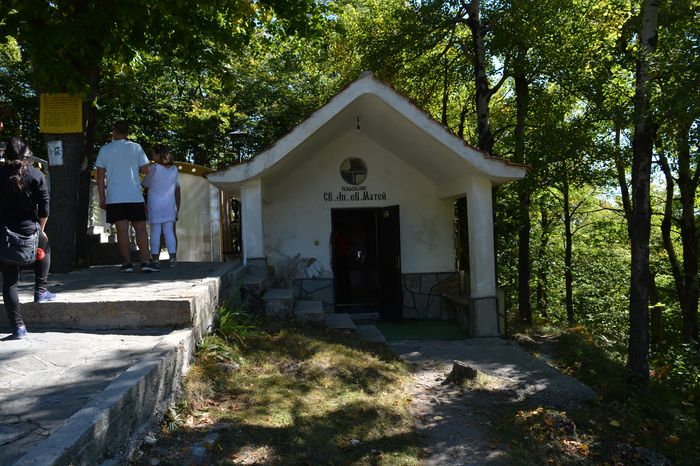
Plovdiv’s Old Town, medieval fortresses, monasteries, and traditional villages may contain cobbled streets, hills, stairs, or narrow entrances. Research the exact places you want to visit rather than assuming every part of an attraction will be accessible.
It can still be worthwhile visiting a destination even when only part of it is suitable. A guide can adjust the route and focus on viewpoints, museums, churches, or neighbourhoods that are easier to reach.
Consider Private Transportation
Public transportation can work well for some travellers, but private transfers provide greater flexibility.
A vehicle allows you to reduce walking distances, take breaks when needed, and avoid carrying luggage between stations. When booking transportation, clearly explain any wheelchair, walker, or storage requirements in advance.
Visitors planning a longer regional holiday can also explore Balkan Tours and request an itinerary designed around comfort and mobility.
Keep Daily Sightseeing Realistic
Accessible travel is not only about ramps and lifts. The pace of the itinerary matters just as much.
Plan fewer attractions each day and leave time for lunch, coffee, rest, and unexpected delays. Summer heat can make long sightseeing days tiring, while winter conditions may create slippery surfaces.
Spring and autumn often provide pleasant conditions for visitors who prefer moderate temperatures.
Travellers seeking additional comfort may also find useful ideas in our guide to Luxury Holidays in Bulgaria, where private transport and personalised arrangements can become part of the experience.
Travel With Confidence and Flexibility
Before each major visit, contact the hotel, museum, attraction, or transport provider to confirm current access conditions. Needs differ from traveller to traveller, so personal planning is more useful than relying on general accessibility labels.
Accessible Travel in Bulgaria can combine cultural experiences, beautiful landscapes, historic cities, and relaxed sightseeing. Choosing suitable accommodation, arranging transport carefully, and allowing extra time can make the journey far more comfortable.
Bulgaria is best enjoyed without rushing. A flexible itinerary gives every traveller more opportunity to experience the country’s culture, history, food, and hospitality at a pace that works for them.